
What to Expect in a Moroccan Cooking Class in Essaouira
By Marcooking Culinary Team — July 28, 2026
Step-by-step: mint tea welcome, tajine prep, rooftop cooking, and mealtime—plus FAQs on duration, beginners, and what to wear.
Booking a Moroccan cooking class is easier when you know the rhythm of the afternoon. This guide walks through what to expect in a Moroccan cooking class in Essaouira—from arrival at the medina rooftop to the shared meal—so there are fewer surprises and more room to enjoy the cooking.
Details below reflect how sessions typically run at Marcooking (N° 120, Souq Ar-Rahba). Exact timing can shift slightly with group size and which tajine you cook.
Before you arrive
Confirm your time and dish preference when you book. Wear comfortable clothes and flat, closed-toe shoes if you have them. Tie long hair back. You do not need an apron from home—kitchen basics are provided. Leave bulky shopping bags at your riad if you can; a small bag for phone and sunscreen is enough.
If you are new to Moroccan kitchens, you are in good company. Beginners are welcome, and instructors pace the class so nobody is left behind. Languages available include English, French, and Arabic.
Arrival and mint tea welcome
You will be welcomed on the rooftop with Moroccan mint tea—the classic gesture of hospitality. This is not filler time. Tea is when the group settles, meets the cook guiding the session, and hears a short overview of the tajine you will prepare.
From the terrace you get medina rooftops and sky rather than a closed indoor demo kitchen. That setting is part of why guests remember the class as a place, not only a recipe.
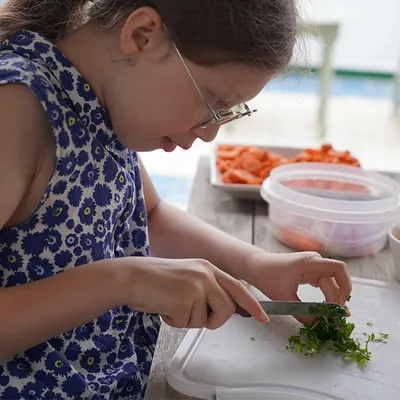
Ingredients, spices, and mise en place
Next comes orientation: key spices, herbs, and the logic of the dish. Depending on the day’s tajine, that might mean preserved lemon and olives, prunes and almonds, fresh herbs for a vegetable pot, or coastal fish prep for sardine or shark.
You will handle real ingredients—chopping, measuring by eye with guidance, and smelling spices before they hit the pot. This is also when instructors explain why layering matters in a tajine: denser items lower down, gentler ingredients above, liquid managed so the cone lid can baste the food as it cooks.
Curious about spice names and roles at home? Our earlier guide on essential Moroccan spices pairs well with what you practise in class—without replacing the hands-on lesson.
Hands-on cooking on the rooftop
The core of the class is active cooking. You are not seated for a long lecture while someone else works. Expect to:
- Prep vegetables, aromatics, and proteins for your chosen tajine
- Season and assemble the pot with instructor feedback
- Manage heat and timing with coaching (tajines reward patience)
- Ask questions as you go—“Can I use this spice at home?” is always fair
Five dish paths are available across bookings: vegetarian, chicken, sardine, goat, and shark. Each teaches the same slow-cook principles with different local ingredients.
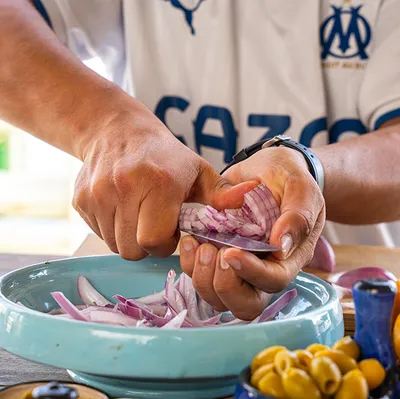
Photography during the class
Professional photos are part of the Marcooking experience. That means you can stay present—hands in the spices—instead of juggling a phone with oily fingers. You will still want a couple of personal shots of the view; just know the process and plated dish are covered.
Eating what you cooked
When the tajine is ready, you eat together. Sharing the meal is the payoff: the flavours you built, bread on the side, and the satisfaction of a dish that simmered under your watch. It is also when the group naturally compares notes—“next time I will add more ginger”—the start of cooking this again at home.
How long does a cooking class take?
Plan on about 2 to 2.5 hours end to end. That includes welcome, prep, cooking time, and the meal. It is long enough to learn properly and short enough to keep beach or rampart plans the same day.
Timeline at a glance
| Phase | What happens |
|---|---|
| Welcome | Mint tea, introductions, dish overview |
| Prep | Spices, chopping, tajine assembly |
| Cook | Guided simmering and adjustments |
| Photos | Candid and dish photography |
| Meal | Shared tasting of your tajine |
Beginners: what you should know
You do not need knife skills from a culinary school. Instructors demonstrate cuts and stay nearby. If you have dietary needs, mention them when booking so the day’s tajine choice fits. Kids and mixed-age families often do well in small groups when everyone wants to participate—ask when you enquire so we can advise on the best format.
What to wear and bring
- Comfortable clothes you do not mind lightly staining
- Closed-toe shoes if possible
- Sunscreen and a hat for bright terrace days
- Water bottle optional; hospitality covers tea and the meal context
- Appetite—and questions
FAQ
What happens in a Moroccan cooking class step by step?
Tea welcome → ingredient and spice intro → hands-on tajine prep and cooking → photos → shared meal.
Is the class suitable for beginners?
Yes. The format assumes mixed experience levels.
Where is the kitchen?
Rooftop studio at N° 120, Souq Ar-Rahba, in Essaouira’s medina area.
Can I choose the tajine?
Yes—share your preference when you book; we confirm availability.
Private or group—what should I expect socially?
Groups are small and sociable; private sessions suit celebrations or travellers who want a quieter pace. Compare formats in private vs group.
Next step
If this timeline sounds like the afternoon you want, contact Marcooking to book. Still unsure whether a class fits your trip? Read is a cooking class in Essaouira worth it? then pick a date.
More from the blog
- The Art of Slow Cooking: Mastering Traditional Tajines
- Local Ingredients: What Makes Essaouira's Cuisine Unique
- Moroccan Tea Culture: The Art of Mint Tea
- Vegetarian Moroccan Recipes: Seasonal and Sustainable
- Which Moroccan Tajine Should You Cook in Essaouira?
- A Food Lover's One-Day Itinerary in Essaouira
Back to blog · Book a cooking class · View all classes · Gallery · Privacy policy